
Ontario lawn care
Can You Lay Sod in Fall in Ontario?
Yes. Early fall is one of the easier times to establish a new lawn. Here is how to choose a good installation day and care for the sod as winter approaches.
Published October 2, 2026 · NorthCedar
The short answer
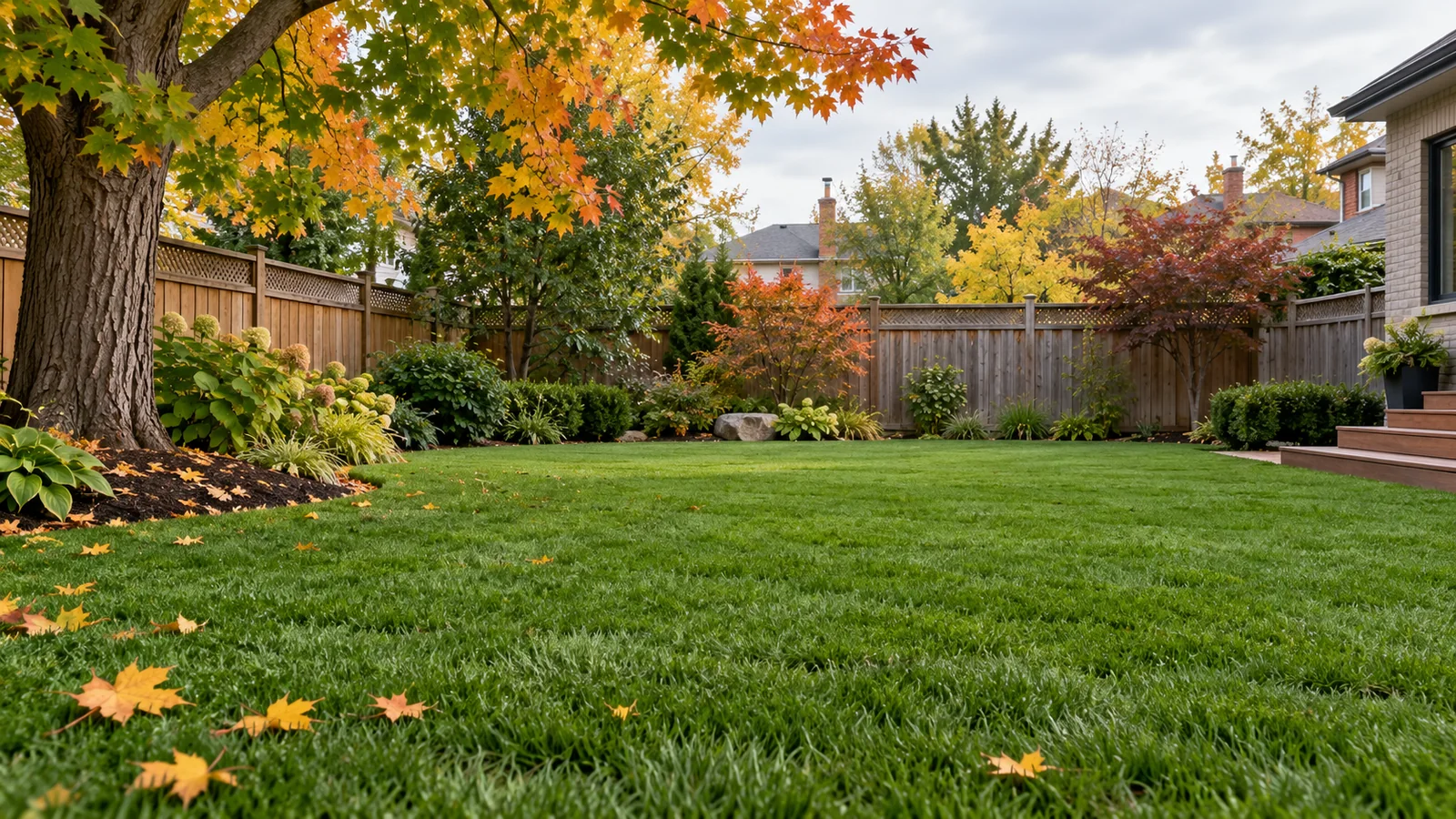
Early fall is a very good time to install cool season sod in Ontario. Air temperatures are gentler than summer, while the soil can still support root growth. Fresh sod gives you an immediate lawn, but it is not established the day it is laid. Its roots need steady contact with moist soil before normal use.
For Toronto and the GTA, focus on the condition of your yard and the forecast rather than a single cutoff date. You need workable, unfrozen soil, fresh sod that can be installed promptly, and a way to water it. The earlier you lay it in fall, the more time roots have before the ground freezes.
If you are deciding between seed and sod, our Ontario grass seed and sod guide covers the full lawn preparation process.
Before you order fall sod
Check the ground
Work on soil that is neither frozen nor saturated. Remove old turf and weeds, correct low spots, and make a smooth, firm base with good drainage.
Plan delivery and water
Have the bed ready and irrigation working before delivery. Install fresh rolls promptly, fit seams snugly, and water as soon as the sod is down.
Watch the season
Ask your sod supplier about local availability. A later installation can still work, but rooting slows in cold soil and the lawn may need more attention in spring.
The essential first weeks
Water the soil beneath the sod
On installation day: Water thoroughly so moisture passes through the sod into the prepared soil. Gently lift a corner in a few places to check. A damp grass surface alone is not enough.
During the first week: Check moisture daily, especially at seams, edges and sunny or windy spots. Keep both the sod and soil beneath it moist. Water in the morning when needed. Rain may replace a watering; a cool day does not guarantee the soil underneath is wet.
As roots attach: Gradually water less often and more deeply. Avoid puddles, runoff and constantly soggy ground. There is no useful one size fits all number of sprinkler minutes: soil, rainfall and weather determine the need.
Follow any current municipal watering restrictions. For broader watering advice, see our new lawn care timeline.
How to tell when it is taking root
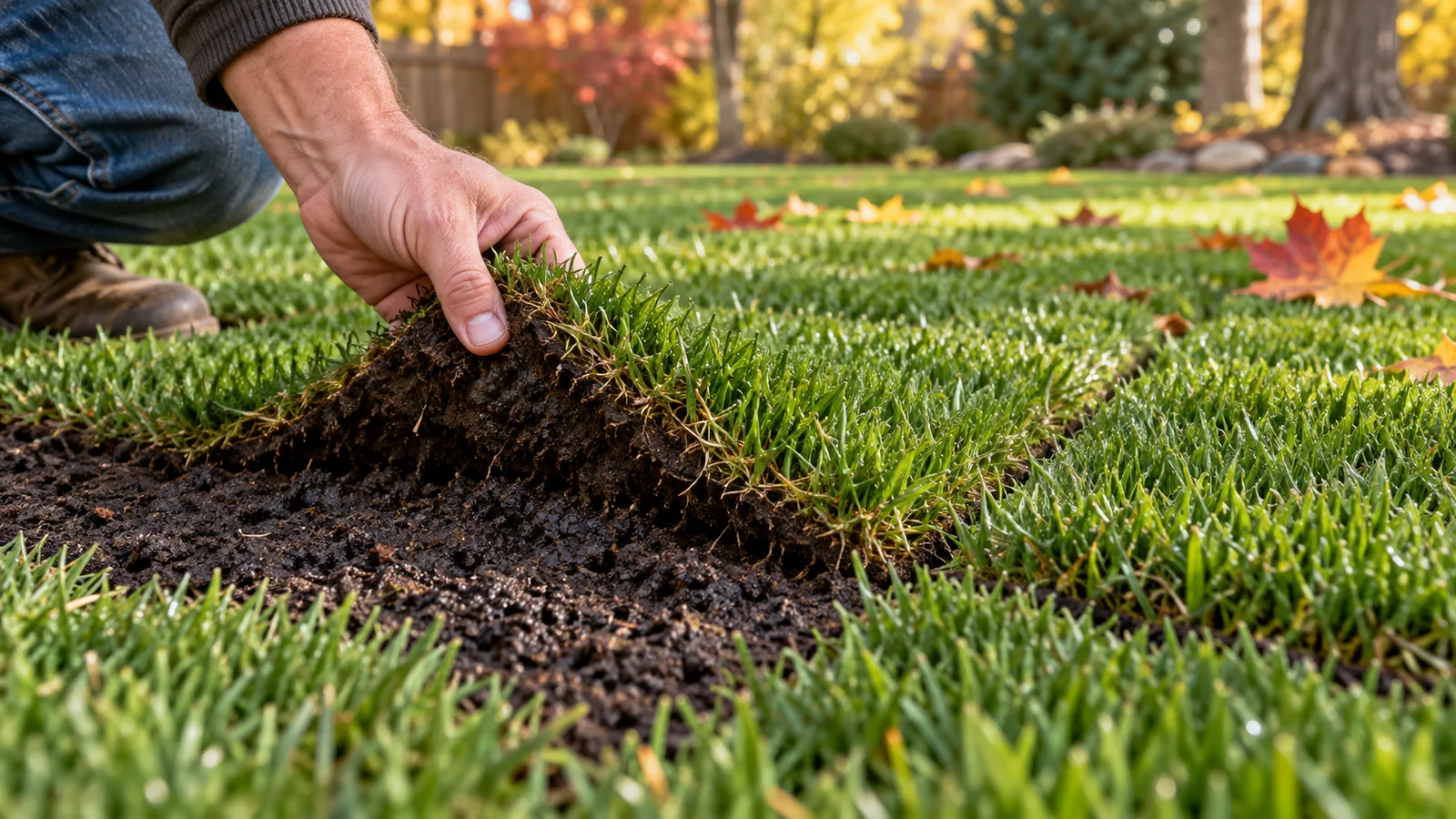
After about 10 to 14 days in favourable conditions, try a gentle lift at a corner. Resistance means roots are starting to knit into the soil below. A cold spell can make that take longer. Let the lawn tell you when it is ready rather than relying on a date alone.
Keep foot and pet traffic light until the sod is anchored. Mow once it is well rooted, the ground is firm enough for a mower, and the grass needs cutting. Use a sharp blade and avoid turning sharply on the new surface.
A light frost is different from frozen ground. Do not walk or mow on frosted turf. If fall is dry, keep checking soil moisture while it remains workable; do not irrigate frozen or waterlogged soil. In spring, inspect thin or lifted seams and repair them after the ground is ready.
Fall sod questions
Is early fall a good time to lay sod in Ontario?
Yes. Cool season lawn grasses can establish well in early fall while the soil is still warm and the air is cooler than summer. The sod must be laid on workable soil and watered promptly until roots attach.
How late can I lay sod in Ontario?
There is no reliable calendar cutoff for every Ontario yard. Check that the soil is not frozen or waterlogged, fresh sod is available, and you can water it. Earlier fall gives roots more time before winter; growth slows as soil cools, so ask the supplier about a late installation in your area.
How often should I water new sod in fall?
Water thoroughly right after laying it, then check the sod and soil underneath each day during the first week. Keep them moist, not saturated. Rain, wind, drainage and temperature change how often watering is needed. As the sod roots, water less often and more deeply.
How do I know when new sod has rooted?
After roughly 10 to 14 days in favourable conditions, gently tug a corner. If it resists lifting, roots are attaching to the soil. Cool late season weather can take longer, so use the actual root check rather than a fixed day count.
Can frost damage newly laid sod?
A brief frost does not by itself mean the sod has failed. The greater concern is laying on frozen ground or leaving sod unrooted and dry before a prolonged freeze. Avoid walking or mowing while the lawn is frosted, and keep the soil appropriately moist while it remains workable.
Keep learning about your lawn
For soil preparation, seed alternatives and year round care, continue with our complete Ontario lawn guide.
Read the grass and sod guide